

Social engagement is a cornerstone of a thriving long-term care community. Meaningful interaction not only enhances emotional well-being but also plays a significant role in maintaining physical and cognitive health. For residents, staying socially connected can greatly improve their overall quality of life.
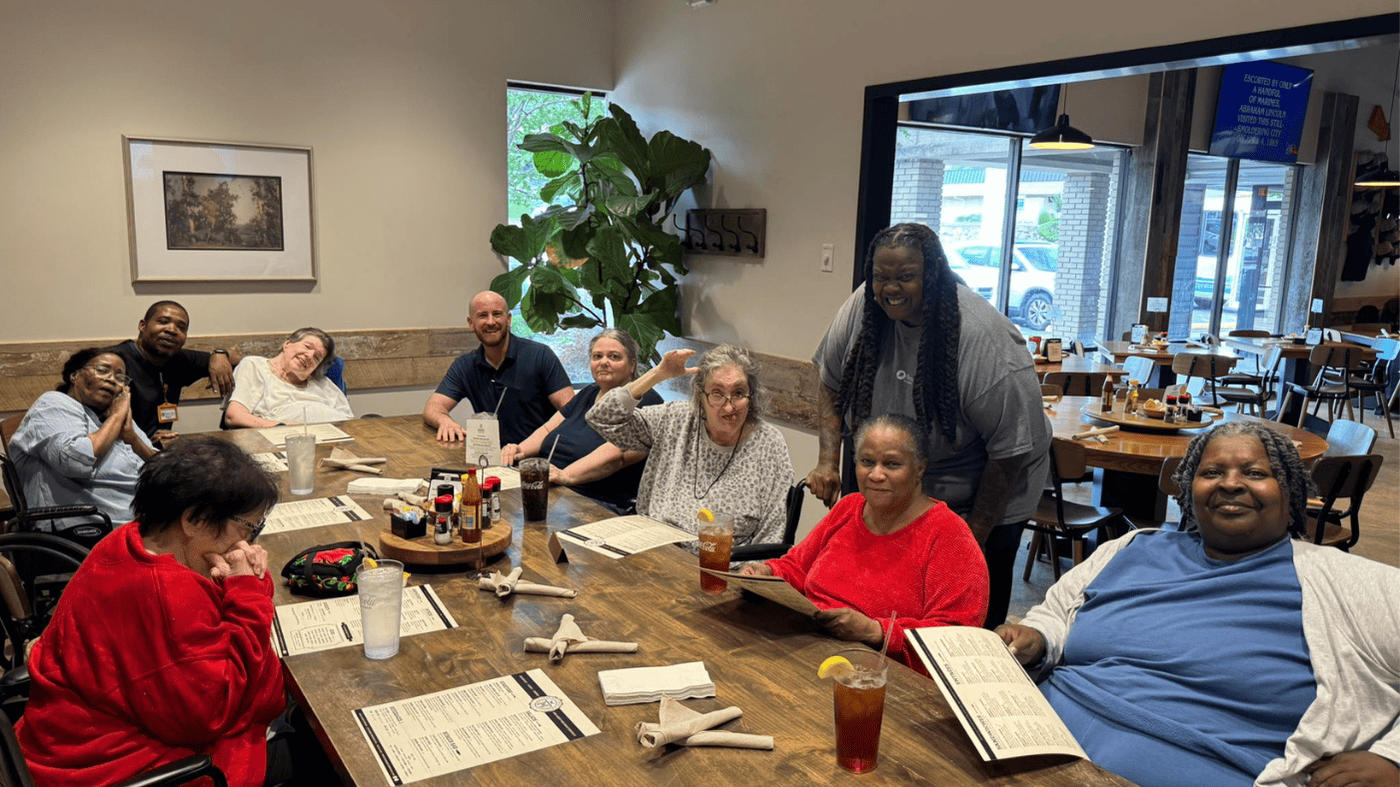
Participating in social activities helps reduce feelings of loneliness and isolation, which are common concerns in long-term care settings. Whether it’s group games, music sessions, or shared meals, these interactions create opportunities for connection and joy. Building friendships within the community fosters a sense of belonging and purpose.
Social engagement also benefits cognitive health. Activities that involve conversation, creativity, or problem-solving help keep the mind active and stimulated. For residents experiencing memory challenges, regular interaction can support communication skills and slow cognitive decline.
Physical health can improve as well. Many social activities encourage movement, such as group exercise classes or outdoor events. Even light physical activity can boost energy levels, improve mobility, and support overall wellness.
Care teams play an essential role in promoting engagement by offering a variety of activities tailored to different interests and abilities. Personalized programming ensures that every resident can participate in ways that feel meaningful and enjoyable.
A strong sense of community leads to happier, healthier residents. By prioritizing social engagement, long-term care communities create an environment where individuals feel connected, valued, and truly supported.